ARB is trading near $0.18, down about 92% from its $2.39 all-time high, and the announcement being handed to you as the explanation is that the Arbitrum Foundation is allocating 2,500 Dune credits a month to analysts. Read those two facts as cause and effect and you will misread the whole trade. The grants are the marketing. The price is the supply schedule.
Step one is to separate the two stories, because they arrive in the same headline. The Foundation launched a Dune Credit Program giving each selected analyst 2,500 credits monthly to build and maintain public dashboards for the network. That is a transparency perk, the sort of line item a foundation funds to keep its ecosystem legible. Set it next to what the Foundation actually controls and it is a rounding error: the Foundation allocation - 35.3% in the DAO treasury and 7.5% in the Foundation itself - amounts to 42.8% of the entire 10 billion token supply, and a separate governance proposal now on the table seeks to spend 100 million ARB on an incentives program. The Dune credits are not even the biggest expense the Foundation is thinking about this quarter.
That is the first screen. The exit - the judgment you actually need - is that the price did not fall because of the credits. It fell because of a schedule that is public, checkable, and nowhere near finished.
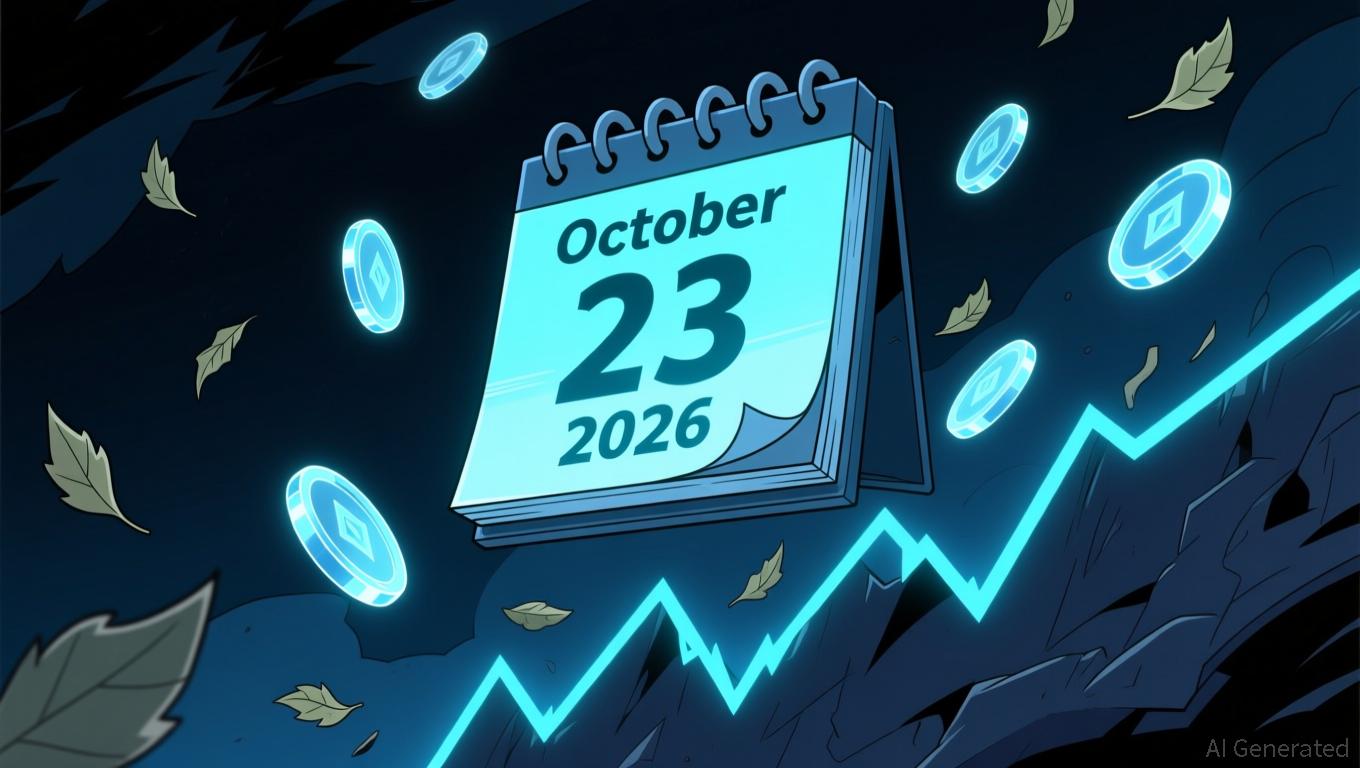
ARB launched in March 2023 with a 10 billion token supply and a 48-month unlock calendar dictating when tokens hit circulation. Today only about 68% of that supply is actually in circulation, with the remainder still locked or held in the DAO treasury or vesting contracts. The next scheduled release is October 23, 2026: roughly 139 million ARB, about 1.4% of total supply and close to 2% of current market cap, dropping into bids that were already soft. After that come five more events through March 2027, releasing about 711 million tokens in total - the whole schedule amounts to 7.1% of supply arriving after the price has already fallen to a tenth of its peak.
An unlock is not an automatic sell. Recipients can hold, and un-liquidated unlocks get absorbed in bull phases. But that is precisely the discipline that matters here: an unlock is pre-scheduled supply that must be met by buyers, and for a governance token there is no earnings report or cash flow growing to absorb it. ARB's value rests on what the ecosystem does - real-world-asset growth, new stablecoin integrations like USDG, whatever activity keeps the chain worth holding - and that narrative demand is doing the work against a fixed factory line of supply. The line keeps running.
So here is tonight's checklist, and it takes about five minutes:
Copy the October 23, 2026 unlock onto a calendar. That is the observable event, not the Foundation's press release.
Watch the separate 100 million ARB incentives proposal, not the Dune credits. The DAO spending from its 35.3% treasury is the real lever on supply, and it is a vote, not a headline.
Flag the regime change that retires this playbook. The supply story loses force if scheduled unlocks keep getting absorbed while on-chain activity grows - that is a demand signal attaching to a token that is currently priced on supply. The story wins, and the floor keeps stepping down, if each event lands into thin bids with funding soft.
Three of the last several unlock windows have gone either way; do not treat this as a coin flip or a sure sell. Treat it as a variable with a public schedule, and let the calendar - not the credit allocation - tell you which way it breaks.
The Foundation giving dashboard credits to analysts is a PR program dressed as a data push. It is not the reason ARB is under twenty cents. A governance token in the middle of its unlock schedule is priced by what is scheduled to hit the market, and that schedule is not done until March 2027. Write the date down, skip the press release, and watch the bids on the twenty-third.